
Birding in Malta
What to expect
The Maltese Islands are a small, arid, and very densely populated Mediterranean archipelago with a bird hunting and trapping problem. Within this context, Malta has a relatively impoverished avifauna. The best birding to be experienced in Malta is during the migration periods of spring and autumn, when birds cross the Mediterranean between their breeding grounds in Europe and their wintering grounds in Africa. However, good birding during migration periods is still highly dependent on favourable weather. On good days, the countryside and skies can be full of birds. There is also a high degree of annual variation, with some species being much more frequent and abundant in some years than in others.
Outside the main migration periods, you can still catch up with some of the more localised resident breeding birds, such as Spectacled Warblers and Blue Rock-thrushes. In summer, these are joined by migratory breeders, including Malta’s three species of breeding seabirds – Scopoli’s Shearwater, Yelkouan Shearwater and European Storm-petrel. In winter, not much is around besides common continental European birds which overwinter in the Mediterranean area. Nevertheless, some local knowledge can still produce some highlights.
Habitat-wise, wetland habitats are few and far between in Malta, so significant numbers of waders and ducks are unlikely to be seen in any period. Instead, you should expect to see more species associated with open and scrubby habitats typical of Mediterranean Islands.
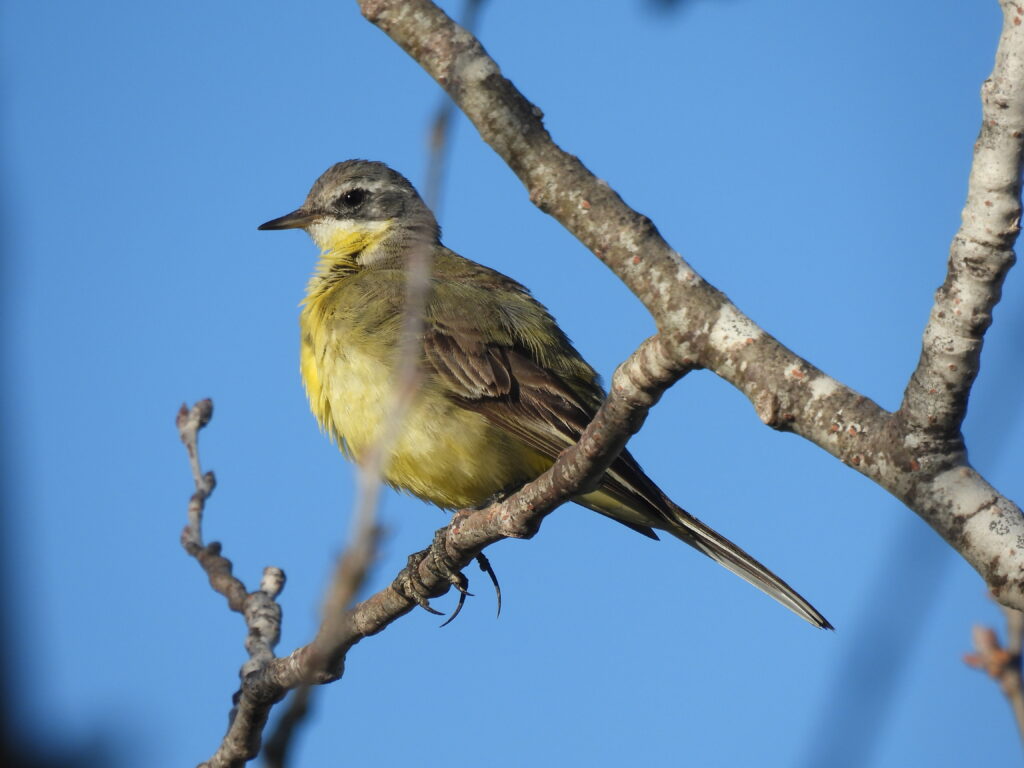
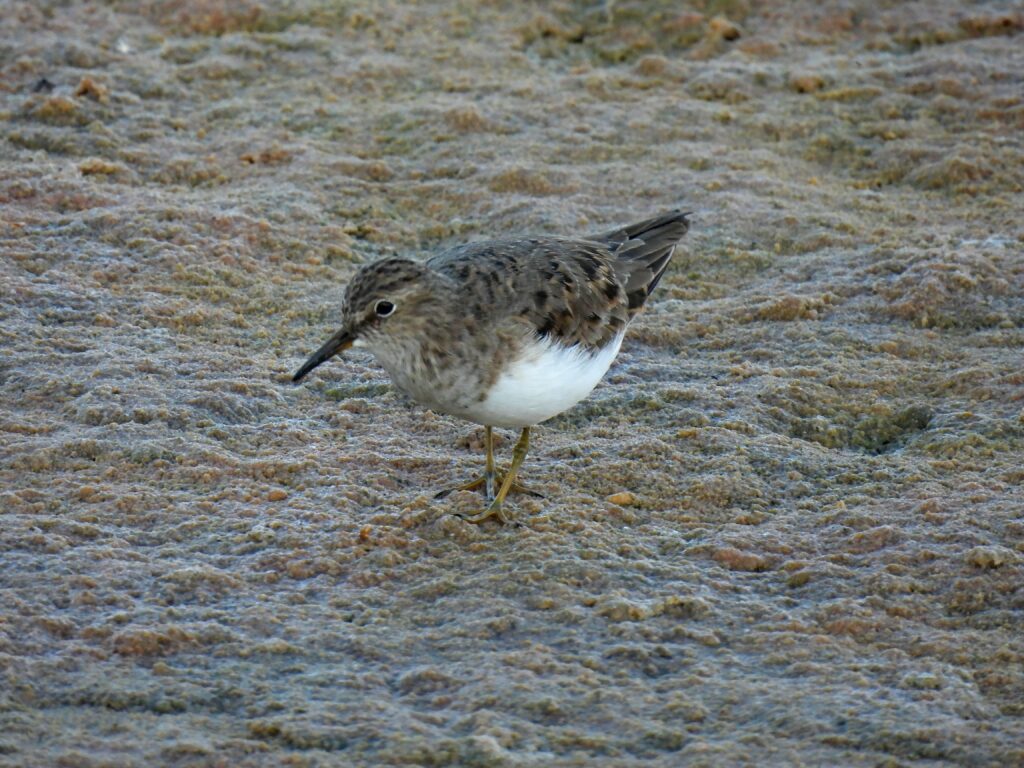
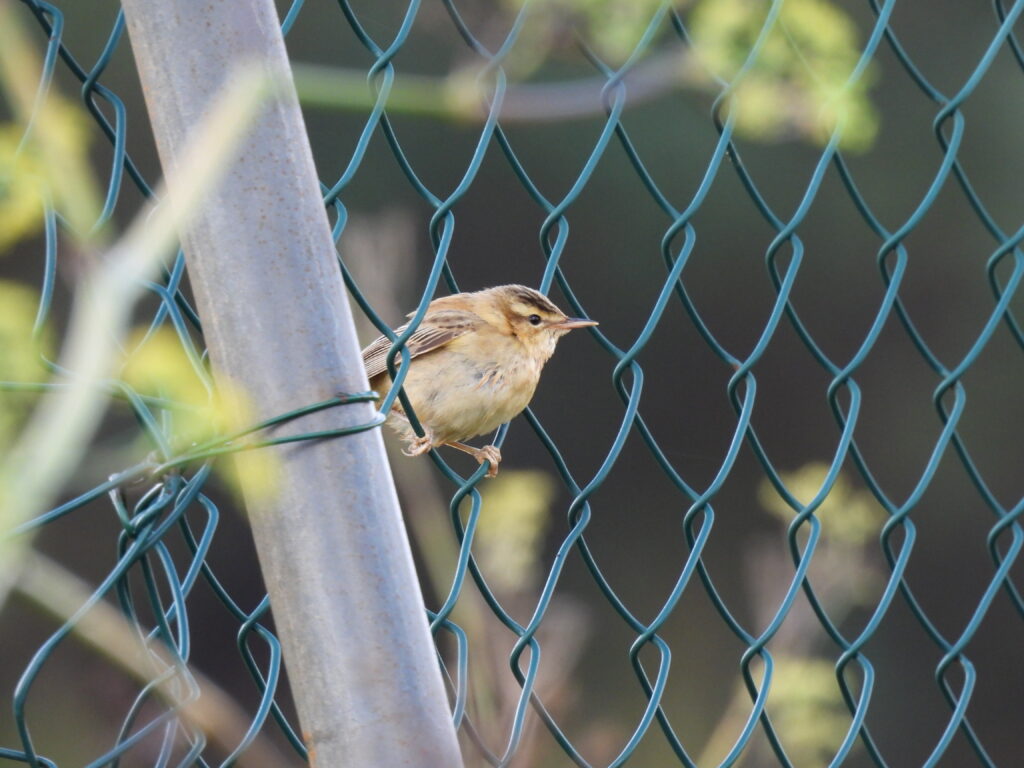
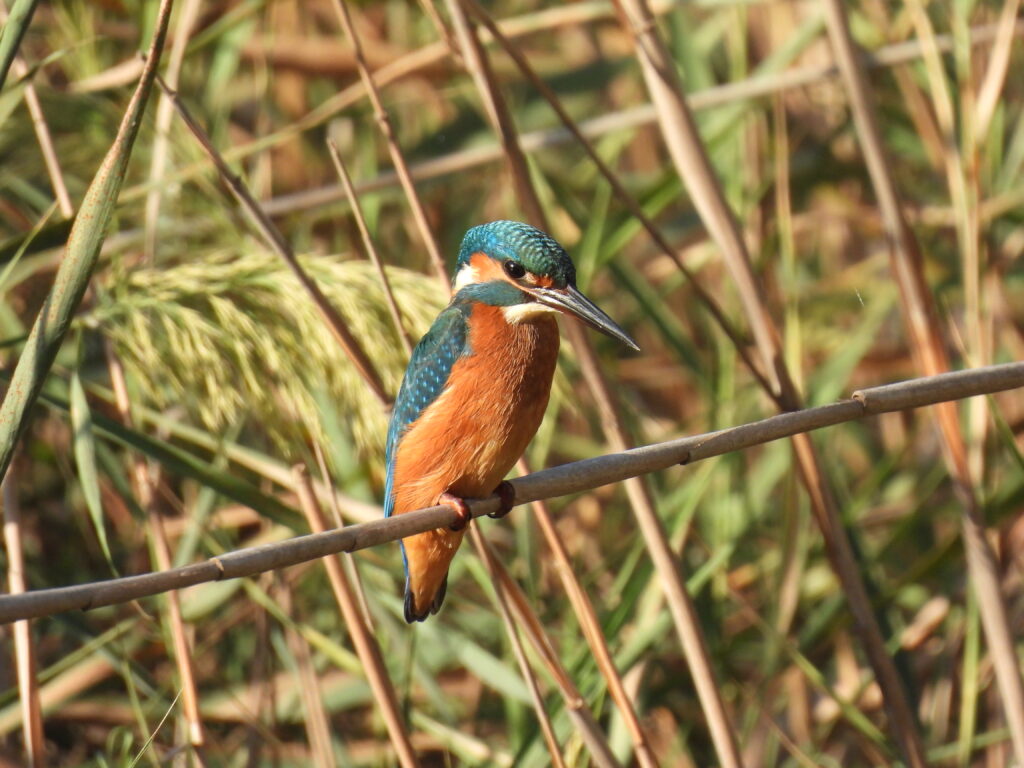
Birds of Malta
Over 400 species of birds have been recorded in Malta. The official list of Malta’s birds is available at https://birdlifemalta.org/information/birds-of-malta/.
Over half of these occur regularly in Malta to different extents. Around 15 species are sedentary residents which can be seen throughout the year and breed annually. These species include ubiquitous and abundant species such as Spanish Sparrow and Sardinian Warbler as well those with more specific habitat requirements such as Spectacled Warblers. Such a low number of resident breeding species is a combined result of severely limited natural resources, small habitat patches, and human pressures such as poaching and disturbance.
The remaining regular species are migratory species which occur with varying degrees of regularity and abundance. Around 13 species are migratory annual breeders, which arrive in spring and depart again in autumn. These include Barn Swallow, Spotted Flycatcher, Greater Short-toed Lark, and Common and Pallid Swift. This category also includes Malta’s three breeding seabirds, the European Storm-petrel, Scopoli’s Shearwater, and the Yelkouan Shearwater.
Migratory species which do not breed in Malta can be divided into long- and short-distance migrants. Long-distance migrants pass through Malta in autumn to spend the winter in sub-saharan Africa, and return to their European breeding grounds in spring. Short-distance migrants remain in the Mediterranean region in winter, and therefore can also spend the winter in Malta. Around 40 species of short-distance migrants overwinter annually in Malta, including multiple species of gulls and familiar passerines such as European Robins, Black Redstarts and White Wagtails.
Other migrants which do not breed or over-winter constitute a large share of Malta’s bird list. Due to Malta’s position between Europe and Africa, migrants include various typical Mediterranean and European species, including waterfowl, rails, herons, waders, raptors, warblers, chats, pipits, and finches amongst others. Many of these species do not occur with equal frequencies in spring and autumn. Multiple species are frequent in spring and then very scarce in autumn, such as European Pied and Collared Flycatchers. In contrast, many raptors and most short-distance migrants, such as most finches, are more evident in autumn. Certain species can be abundant in some years and scarce in others.
Finally, almost half of the species on Malta’s list are accidental or vagrant species. Due to Malta’s geographic position in the centre of the Mediterranean, it receives an interesting mix of such lost vagrants, including species from eastern Europe, Asia, and North Africa, and even more rarely species from sub-saharan Africa, species from northern and continental Europe which are usually non-migratory, and very occasionally species from America. Although these are unlikely to be seen during a short birding tour, you never know what might turn up.
Birding Calendar
Spring
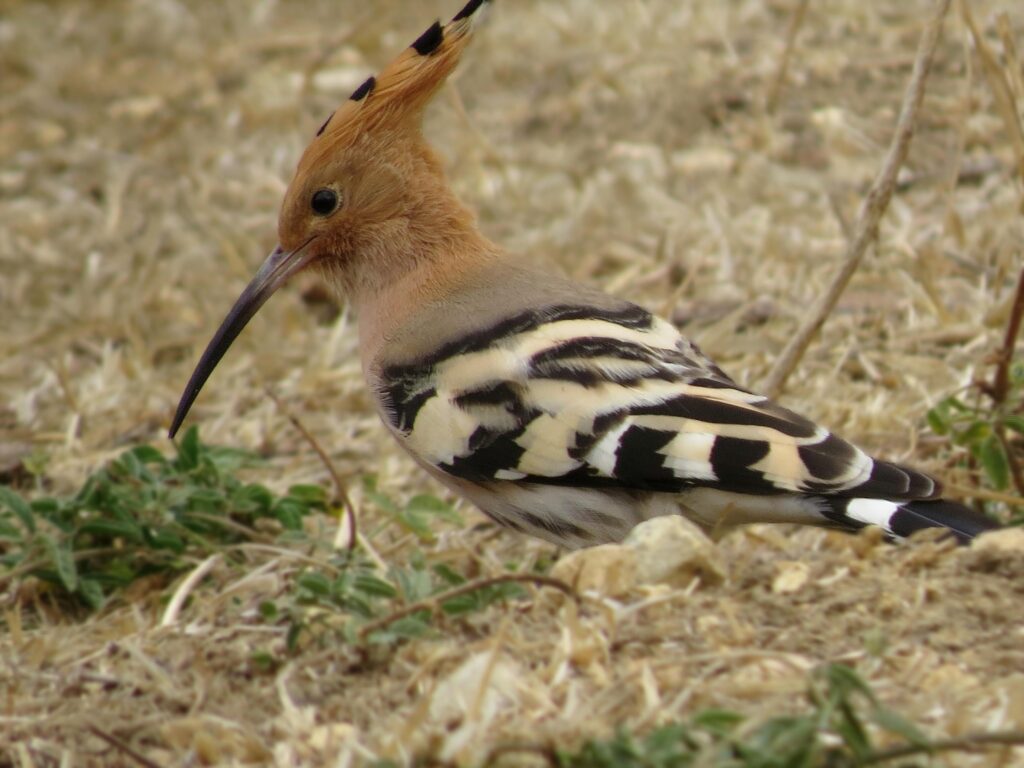
The first spring migrants, usually House Martins and Green Sandpipers, generally turn up around mid-February. Birding activity is generally focused on the Comino Channel area throughout March, since spring migration here can provide some exciting birding. On good days, one can see several flocks of ducks, mainly Garganeys, as well as flocks of waders, particularly Whimbrels, and other species, migrating north. Beyond the Comino Channel, spring migration from mid-March to around mid-May can potentially be enjoyed in many different areas around the Islands. In general, the best days in spring are days with easterly or north-easterly winds, while inclement weather can also result in considerable influxes of migrants. However, north-westerly winds can bring good numbers of harriers. Some species peak in March or early April and others peak in late April or early May. Species which are more typically encountered in March include Spotted Crakes, Western Marsh and Pallid Harriers, Lesser Kestrels, Common Hoopoes, Northern and Isabelline Wheatears and Subalpine Warblers. April brings increasing richness and abundance, with common species such as European Bee-eaters, Whinchats, Tree Pipits, Pied and Collared Flycatchers, Wood Warblers, Common Whitethroats, and Garden Warblers starting to appear and peaking towards the end of the month. In late April, other species such as European Turtle-doves, Squacco Herons, Little Bitterns, European Honey-buzzards, Red-footed Falcons, Icterine Warblers, Spotted Flycatchers and Golden Orioles become more common. Most migratory waders, such as Curlew Sandpipers and Little Stints, are generally also more abundant in late April and May and can mainly be seen at the Salina and Ghadira Nature Reserves.
Summer
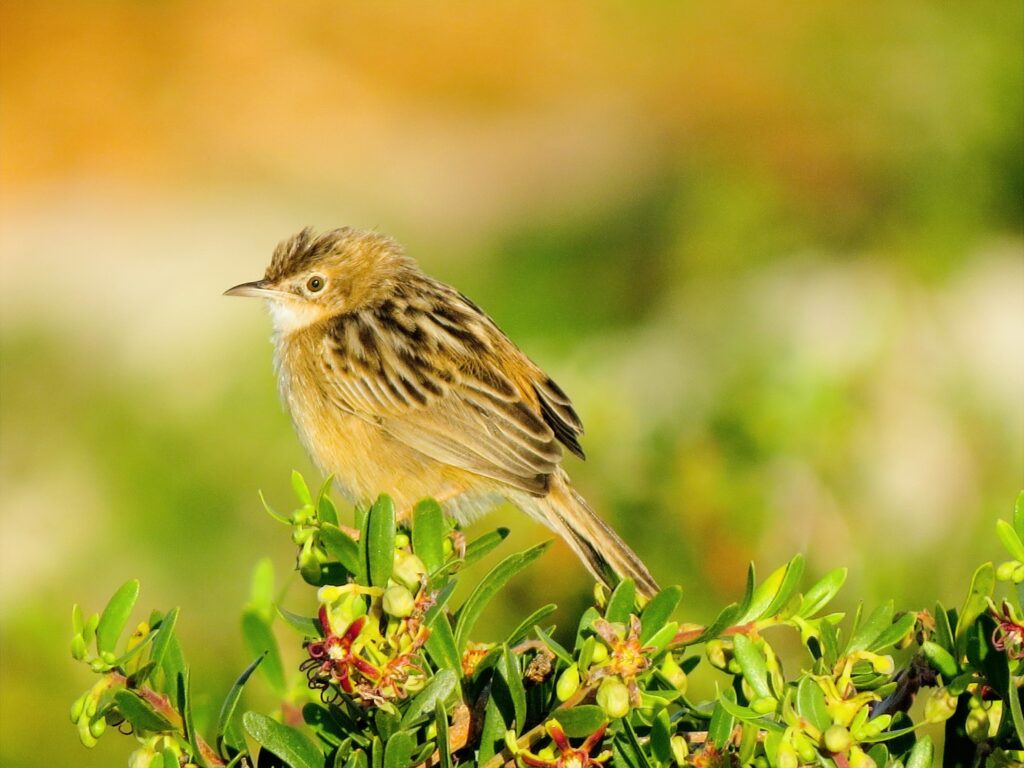
Spanish Sparrows and Sardinian Warblers breed ubiquitously in most habitats. Zitting Cisticolas and Greater Short-toed Larks breed in open areas, while high quality garrigue supports Spectacled Warblers. Eurasian Tree Sparrows and Eurasian Collared-doves favour rural and suburban areas respectively. Blue Rock-thrushes predominantly breed in rocky areas and cliffs, but are also increasingly taking advantage of built-up areas. Spotted Flycatchers breed in small numbers in a handful of scattered wooded areas and gardens. Suitable coastal cliffs host breeding Scopoli’s and Yelkouan Shearwaters, while the islet of Filfla supports large colonies of European Storm-petrels and Yellow-legged Gulls. Common Swifts breed in several urban areas, while Pallid Swifts also breed in smaller numbers.
Autumn
The first signs of autumn migration are usually Green Sandpipers at the end of June. By mid-July there is a slow but study passage of waders underway. However, due to a lack of suitable habitat, the numbers of waders which can be seen in Malta is minimal. The first Subalpine Warblers and Common Kingfishers turn up towards the end of July. Migration ramps up in August. Waders in August include Ruddy Turnstones and Sanderlings, while large numbers of Black Terns associate with offshore fish farms together with European Storm-Petrels. Dispersing juvenile Audouin’s Gulls are frequent in August and September. The first birds of prey, generally Eleonora’s Falcons, Western Marsh Harriers, Montagu’s Harriers and Black Kites start turning up from mid-August, as well as flocks of Black-crowned Night, Purple and Grey Herons. The composition of species seen is highly dependent on the weather. Easterly winds and adverse weather tend to be the most interesting conditions for most species. However, for birds of prey which depend on hot weather and light winds to migrate, the best conditions are sunny weather and light southerly winds. The most abundant birds of prey seen in the afternoons are by far Western Marsh Harriers, European Honey-buzzards and Eurasian Hobbies, with less abundant but still frequent species including Ospreys, Black Kites, Montagu’s Harriers, Eurasian Sparrowhawks, Common Kestrels, Lesser Kestrels, and Eleonora’s Falcons. Throughout September, European Bee-eaters are very common and a few European Rollers also turn up. Late September and early October tend to produce scarcer species, such as Black Storks and Short-toed Snake-eagles. Trans-saharan passerines which migrate in considerable numbers through Malta include Garden Warblers, Common Redstarts, Western Yellow Wagtails, Northern Wheatears, and Willow Warblers. These are followed from mid-October to November by the migration of short-distance migrants, including European Robins, Eurasian Skylarks, Song Thrushes, Common Stonechats, Black Redstarts, Eurasian Blackcaps, and finches. A fraction of these birds remain to winter.
Winter
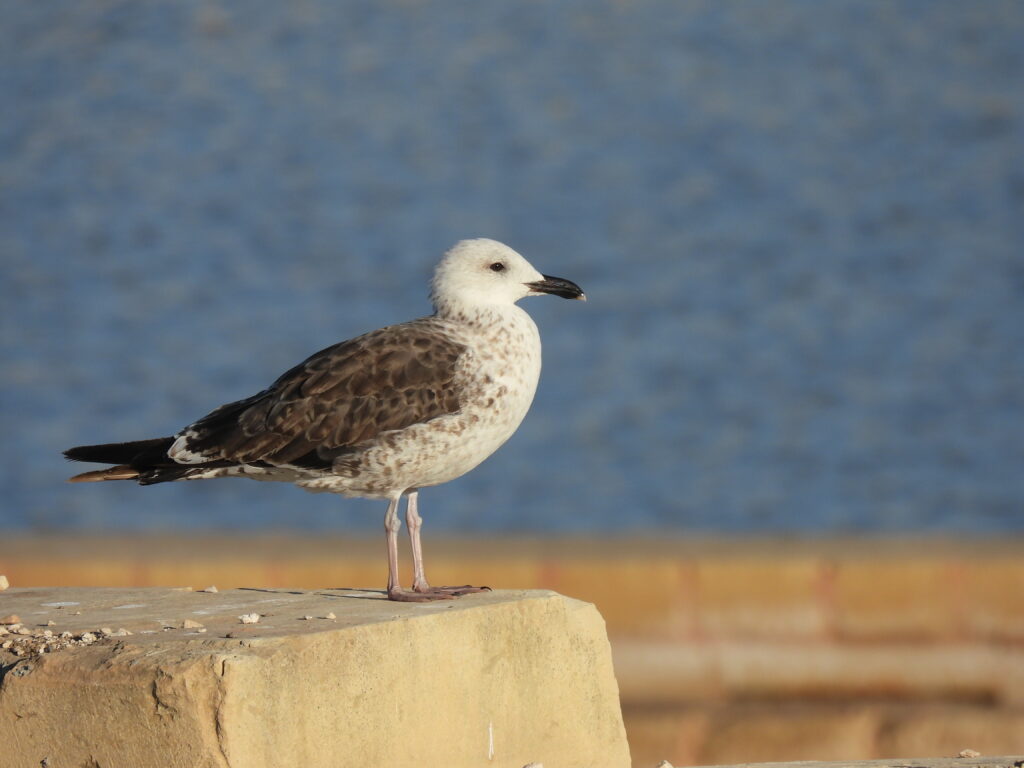
During winter, various species of gulls can be seen. Although Black-headed, Mediterranean and Yellow-legged Gulls are the most common, Slender-billed, Lesser Black-backed, and Audouin’s Gulls are also frequent. Sandwich Terns and Great Cormorants are also usually present, as well as a few Common Kingfishers and Black-necked Grebes. The general countryside is rather impoverished of birds during winter, except for resident species and common wintering species such as European Robins, Common Stonechats, Black Redstarts, White Wagtails, Meadow Pipits and Common Starlings. Visiting the right areas can produce other species such as Song Thrushes, Common Chaffinches, Eurasian Wrynecks, Eurasian Skylarks, Grey Wagtails, Dunnocks, Goldcrests and Firecrests. The few protected wetland nature reserves also host species such as Little Grebes, Common Coots, and Western Water Rails.
More information about birding in Malta is available from
Contact us
Contact us to discuss and organise your tour, tailormade to your expectations and priorities.